Auto review: 2026 Mitsubishi Outlander is the plug-in hybrid SUV nobody is talking about
Published in Business News
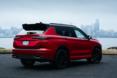
Every town has that neighborhood restaurant that gets overlooked while everybody with a reservation app, a designer handbag and an Instagram account goes flocking to the fashionable place across town. The food is just as good, sometimes better, but the restaurant doesn't have a celebrity chef or a publicist with a media list.
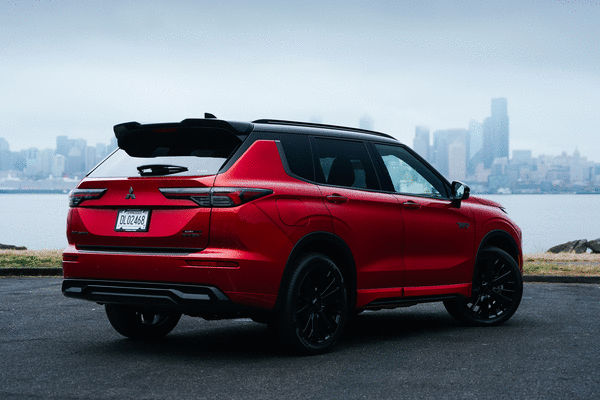
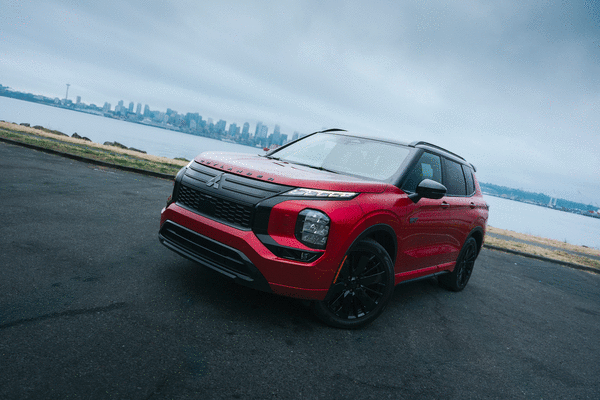
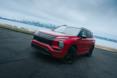
The 2026 Mitsubishi Outlander PHEV SEL is the automotive equivalent. While Toyota, Hyundai and Kia hog the hybrid spotlight, Mitsubishi quietly cooks up a seven-passenger SUV with 297 horsepower, standard all-wheel drive and an EPA-estimated 45 miles of electric range. It may not be fashionable, but neither is paying $19 for a plate of cauliflower.
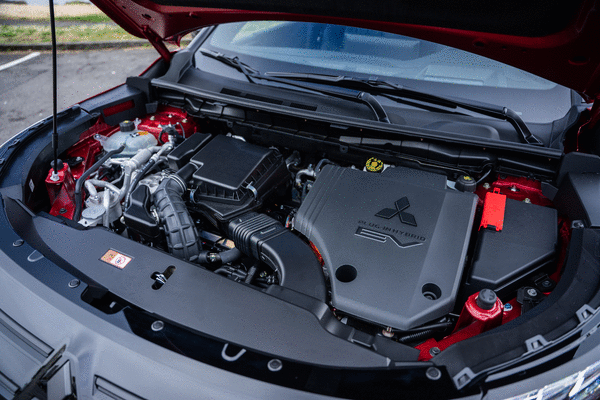
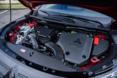
Under the hood is a 2.4-liter four-cylinder gasoline engine paired with two electric motors and a 22.7-kWh lithium-ion battery. Together they produce 297 horsepower, delivered to all four wheels. The front and rear electric motors provide propulsion independently, eliminating the conventional mechanical connection between the axles. This powertrain is the Outlander's strongest argument. In electric mode, acceleration is smooth and immediate. There are no gear changes, no engine noise and no need to burn gasoline while creeping through traffic. It's rather like having a chauffeur who works for free, provided you remember to feed him electricity.
Ask for more muscle and the gasoline engine joins the party. The transition is unobtrusive, although sustained acceleration makes the engine’s revs sometimes climb independently of vehicle speed, producing the drone associated with continuously-variable transmissions. It isn't exactly a performance-car soundtrack. Think less Italian opera, more industrial sewing machine.
The combined 297 horsepower provides more than enough acceleration for passing and merging, although the Outlander won’t frighten anyone at a drag strip. It’s designed for family transport, not middle-aged men reliving their youth on an entrance ramp.
Mitsubishi has revised the suspension and steering for 2026, including changes to springs, dampers, anti-roll bars and bushings. The ride is composed and very comfortable over ordinary pavement. The steering is light, making parking lots and urban traffic relatively painless. It responds predictably, although road feedback is about as communicative as a government press release. There's enough precision for everyday driving, but noticeable body lean during aggressive maneuvers discourages enthusiasm. This is a family crossover, not a Lancer Evolution accidentally assigned to carpool duty.
The all-wheel-drive system independently manages the front and rear electric motors, distributing propulsion as needed. Driving modes include Eco, Normal, Power and Tarmac, along with settings for snow, gravel and mud. The additional traction is reassuring when pavement conditions deteriorate. However, the regenerative braking doesn't provide true one-pedal driving, but the transition between regenerative and conventional braking is reasonably progressive.
Of course, a plug-in hybrid is economical only if you plug it in. Otherwise, you're driving around with a large, expensive battery that isn't doing much besides adding weight. It's like buying a first-class airline ticket and spending the flight in the baggage compartment. I did, and appreciated the electric motors’ punchy persona. The EPA estimates electric-only range at 45 miles. When the battery is depleted, Mitsubishi lists gasoline economy at 27 mpg combined, with a total driving range of approximately 420 miles. The combined electric-and-gasoline efficiency rating is 73 MPGe. I saw 23 mpg, a bit less than I was expecting.
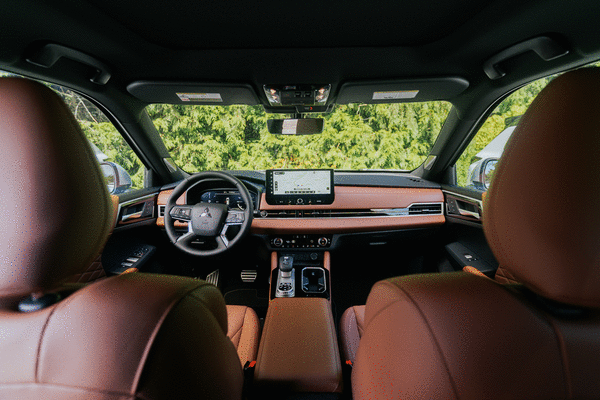
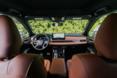
The SEL's cabin is well equipped, with quilted leather seating, ventilated front seats, heated rear seats, a heated steering wheel, three-zone climate control, a superb Yamaha sound system, and a panoramic sunroof. A 12.3-inch digital instrument display and matching infotainment touchscreen handle instrumentation and entertainment. Wireless Apple CarPlay and Android Auto are standard.
The seven-passenger configuration is useful and nicely finished, although the third row is best reserved for children, or masochists. Cargo capacity with all seats occupied is 12.8 cubic feet. Fold the third row and capacity increases to 64.7 cubic feet.
At $48,945 before destination charges and options, the SEL isn't inexpensive. Still, the Outlander PHEV doesn't require owners to become evangelists for electric transportation or surrender the convenience of gasoline-powered travel. It simply gives them both options.
And if you’re considering a 2027 model, it carries on unchanged from the one tested here.
Mitsubishi may not be the first name that comes to mind when shopping for a plug-in hybrid, but perhaps it should be. The fashionable restaurant may have the better publicity department. That doesn't mean it has better food.
2026 Mitsubishi Outlander PHEV SEL
Base price: $48,945
Powertrain: 2.4-liter four-cylinder plug-in hybrid
Horsepower: 297
EPA rating (combined): 27 mpg (gas only); 73 MPG-e (Hybrid)
Fuel required: Regular unleaded
Length/Width/Height: 186/84/69 inches
Ground clearance: 7.8 inches
Cargo capacity: 12.8-64.7 cubic feet
Towing capacity: 1,500 pounds
©2026 Tribune Content Agency, LLC










Comments