Interactive at-home pill dispenser could help fill rural Minnesota's pharmacy gap
Published in Science & Technology News
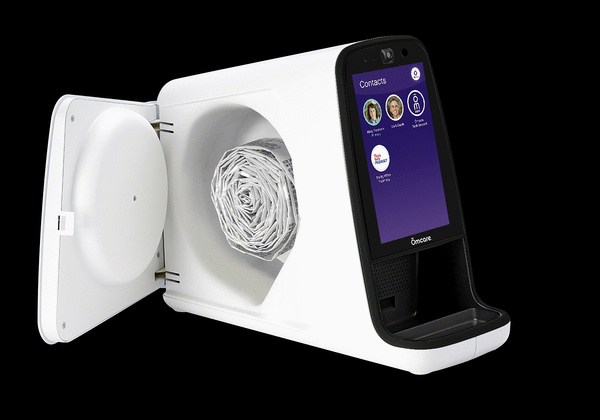
A Bloomington, Minnesota, startup is testing whether its interactive prescription drug dispenser can help older Minnesotans take their medications on schedule — especially in rural areas that lack pharmacies.
Omcare’s Home Health Hub is about the size of a coffee maker and dispenses medications, sent monthly by mail, along with alarms to notify patients when they are due to take their pills.
The hub has a two-way video screen that allows friends or relatives to monitor prescription sessions, and it interfaces with patients’ phones so they can call pharmacists any time they have questions.
Some elder-care facilities in the Twin Cities area have used the hub, but Omcare founder Lisa Lavin said she believes its untapped potential is in rural areas, especially the homes of older adults who live independently but don’t have pharmacies nearby. They can fall behind on vital prescriptions because it is difficult to pick up refills and struggle with side effects because they can’t get in touch with pharmacists to address them, Lavin said.
“That is where things can get dangerous,” she said, and cause avoidable and costly hospital trips.
Omcare is partnering with the University of Minnesota to test whether its dispenser can improve medication adherence, which is closely associated with seniors’ ability to live independently. Recruiting started earlier this year in Lanesboro in southeastern Minnesota, but Omcare added a second site this fall in Silver Bay.
Lavin said the hub is a high-tech, low-maintenance approach to the problem of medication adherence, though health care providers have tackled the issue in other ways across rural Minnesota. Duluth-based Essentia Health, for example, is one of several health systems that dispatches paramedics to periodically check on patients and make sure they are keeping up with their medications.
Studies have found medication adherence worse in so-called pharmacy deserts, where long distances between patients and their closest pharmacies cause them to fall behind on refills and miss doses. About a half-million Minnesotans already live in pharmacy deserts, according to the latest state data.
Neither Lanesboro nor Silver Bay are considered pharmacy deserts, because their residents are less than 15 miles from the nearest pharmacies. But the state considers both towns as one pharmacy closure away from severe access problems.
Silver Bay Mayor Wade LeBlanc said he was excited to add his community to Omcare’s study, because the town is losing its Aspirus Lake View primary care clinic at year’s end and needs to explore new, remote alternatives to health care.
Residents such as his mother are using a pen-and-paper method of tracking their drug usage, and could benefit from the WIFI-enabled hub that receives real-time updates about their prescriptions, he added. “And if they’ve got a question, right then and there, boom, they can get on that thing and talk to somebody.”
The dispenser is loaded each month with spools of medication pouches that conform to patients’ prescription schedules. It also tracks prescriptions such as injections that it can’t dispense and reminds patients to take them as well.
The video technology, which allows loved ones to watch as seniors take their pills, was inspired in part by Lavin’s prior business venture: PetChatz devices that link owners remotely with their pets. Eventually, she said the hub’s video technology could allow for telehealth visits with doctors or pharmacists as well.
Ohio-based ExactCare Pharmacy sends new medication spools each month to patients who use the hub, and provides 24-7 phone consultations with pharmacists. Lavin said the goal eventually is to transfer those responsibilities to local pharmacies, such as the lone pharmacy in Silver Bay operated by Essentia Health.
“The goal is not to replace the local pharmacy,” she said. “It’s to strengthen it.”
The hub costs about $1,900, plus a $20 monthly subscription for refills and pharmacy consultations. Insurance covers the medications themselves, but it generally doesn’t cover the hub or its recurring costs. Lavin said she aims to change that if the U study proves that the hub increases medication adherence and reduces the cost of drug-related complications and hospital visits.
“Coverage follows evidence,” she said.
The hub comes with a couple workarounds. If patients receive new prescriptions mid-month, such as short-term antibiotics to treat infections, they can’t be loaded into the dispenser. However, the hub is updated in real time with the new prescription information and reminds patients to take those drugs as well. And there’s a mobile app for patients who are traveling.
The technology itself doesn’t address one common problem: seniors who keep taking prescribed drugs they no longer need. However, Lavin said pharmacists perform “medication reconciliation” checks, talking with patients and making sure they still need their medications before the first monthly spools are mailed out.
©2026 The Minnesota Star Tribune. Visit at startribune.com. Distributed by Tribune Content Agency, LLC.





Comments