Enforcing Prohibition with a massive new federal force of poorly trained agents didn’t go so well in the 1920s
Published in Political News
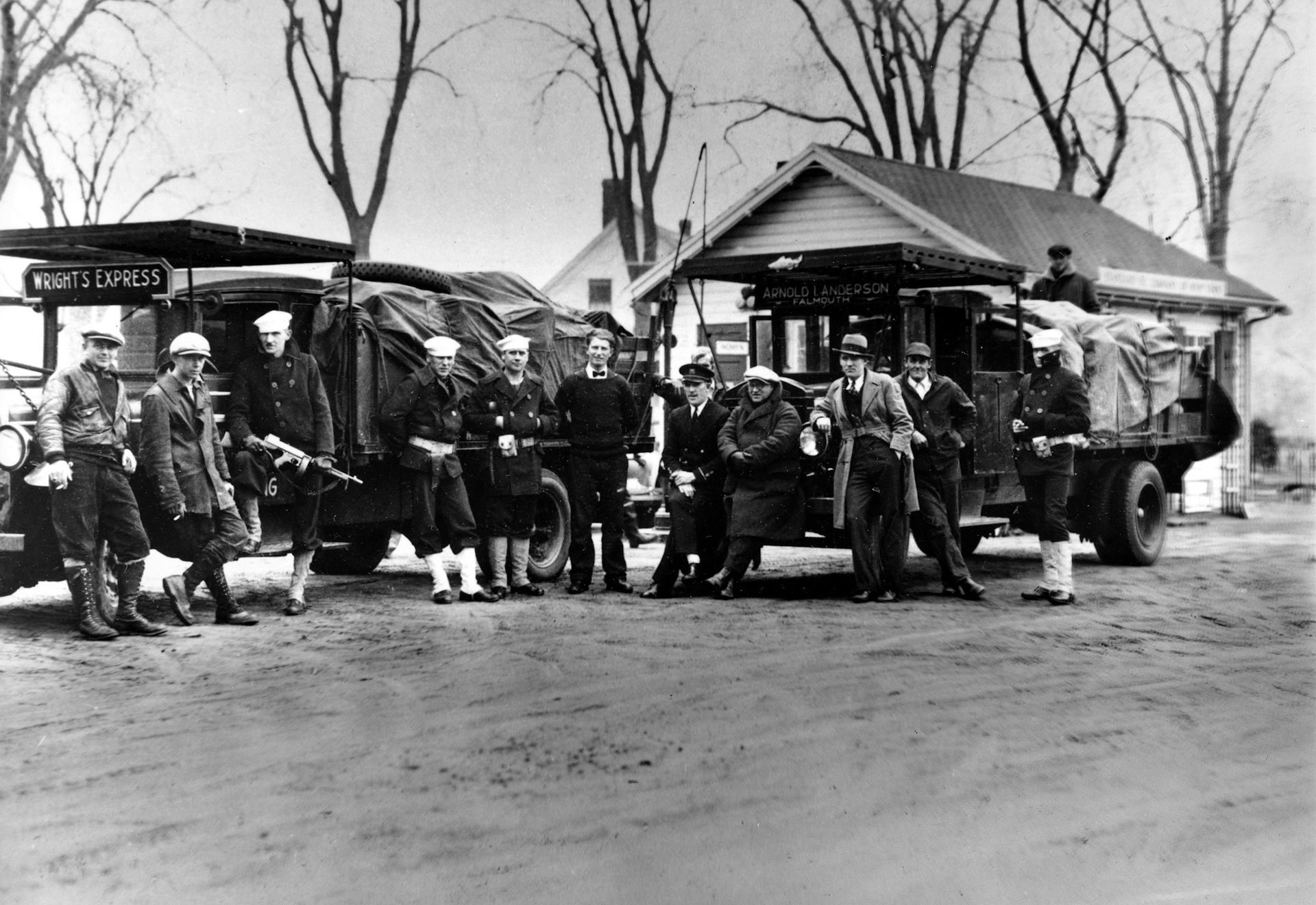
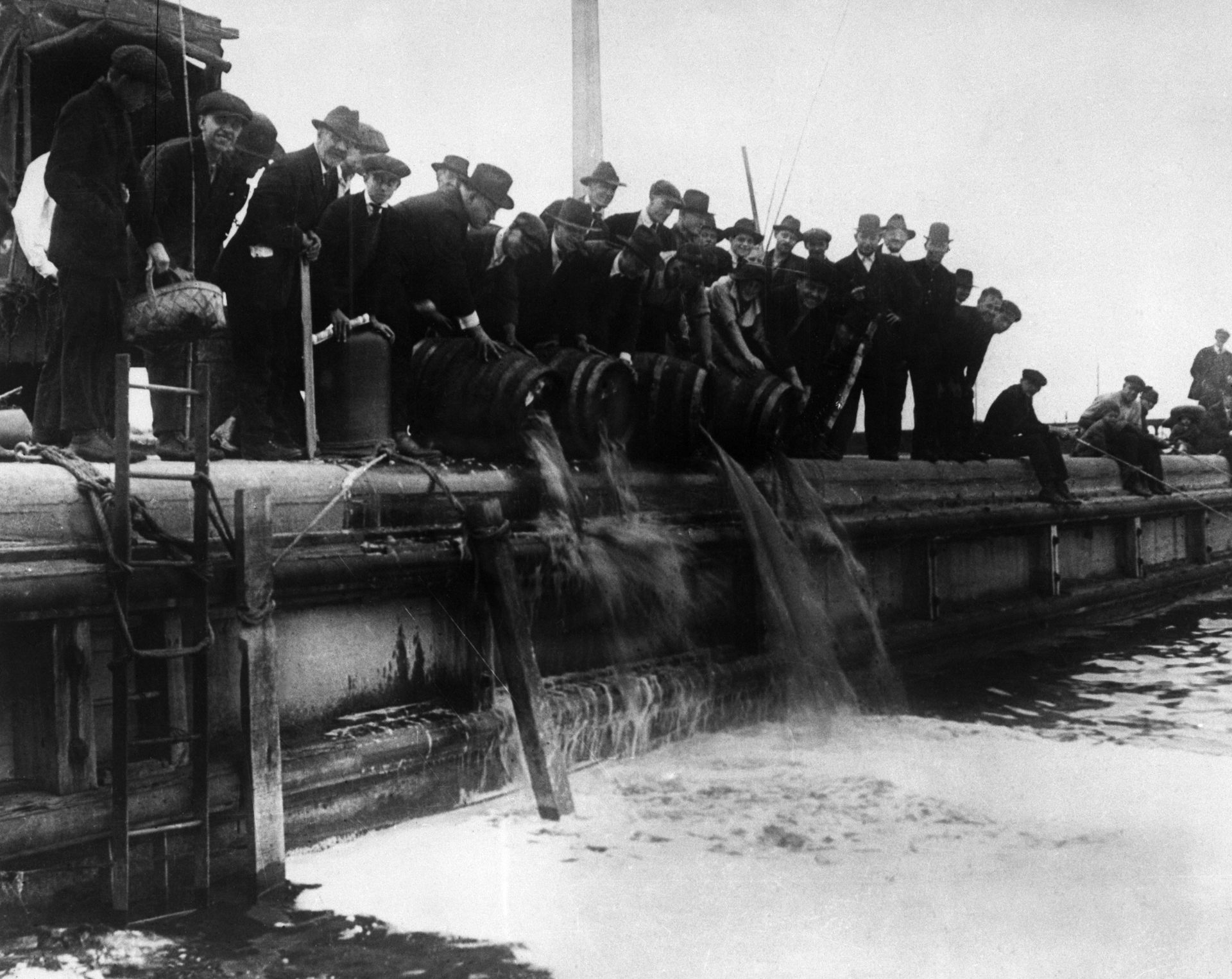
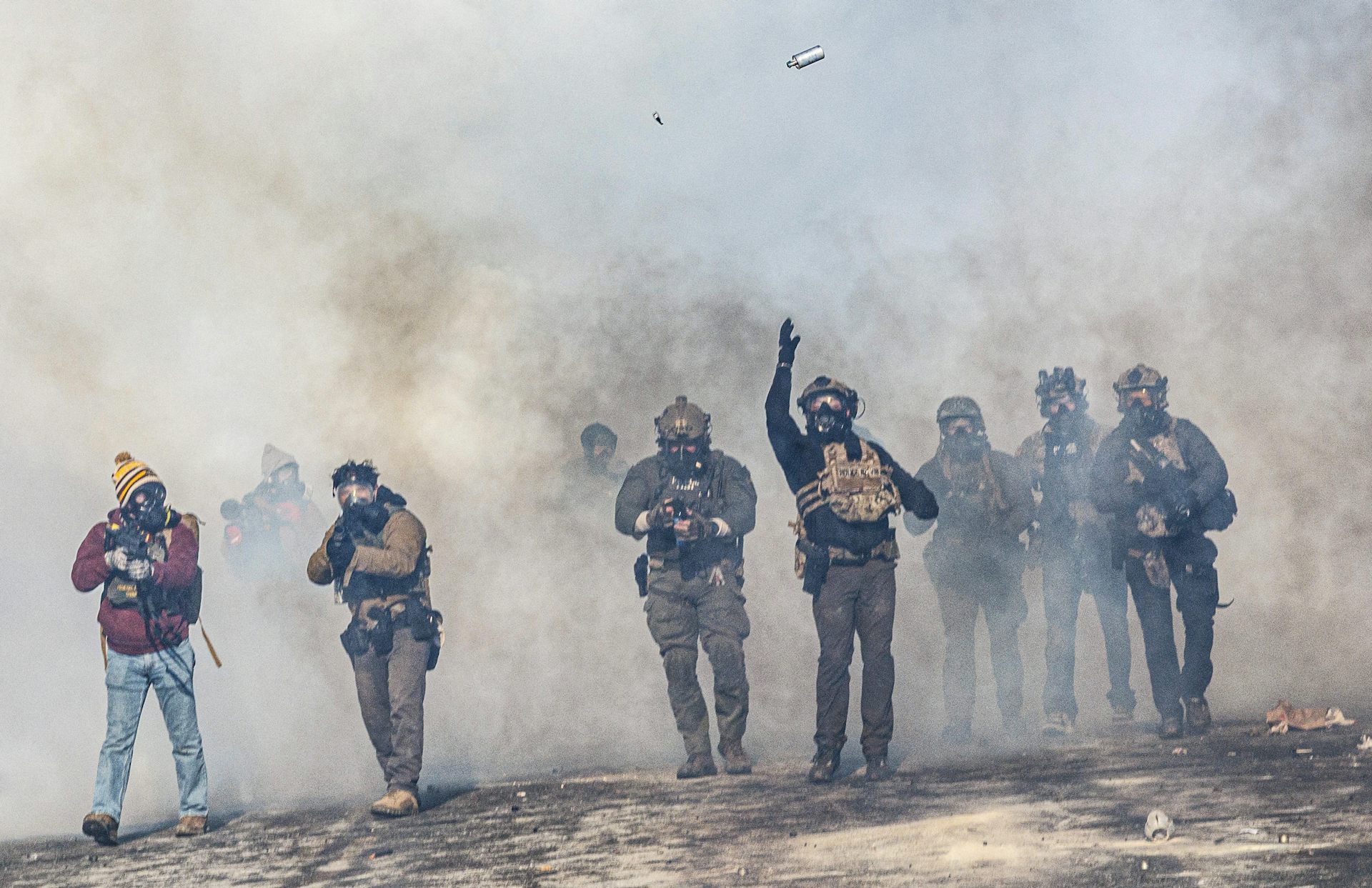
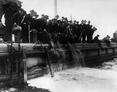
As the actions of agents with U.S. Immigration and Customs Enforcement come under intense scrutiny, it’s worth noting that a little more than 100 years ago, another expansion of federal policing – to enforce national Prohibition – also sparked nationwide concern.
As a U.S. history scholar, I know both the government agencies charged with enforcing national Prohibition in the early 20th century and with mass deportation in the early 21st century were hastily expanded. They were asked to achieve difficult objectives and were staffed by sometimes poorly trained people who at times resorted to violence.
When Congress approved the Volstead Act in 1919 that outlawed the manufacture, sale and transportation of alcoholic liquors, it purposely limited the number of Prohibition enforcement officials due to pressure from powerful dry lobbying groups, which supported the prohibition of alcohol sales and consumption. These groups thought the majority of the Prohibition policing would be done by states.
The Volstead Act also exempted Prohibition agents from civil service laws, which would have required job applicants to pass certain minimum standards. The exemption was written into the law because the prohibitionist lobby only trusted committed “drys” – people resolutely dedicated to maintaining an alcohol-free society – to do the enforcing, and they thought that they would control the appointments.
For the first years of Prohibition, the Bureau of Prohibition belonged to a division of the Bureau of Internal Revenue – some were converted alcohol tax collectors. Then they became part of the Bureau of Prohibition in the Treasury Department. And in 1930, they moved to the Department of Justice.
These moves to various bureaus and departments reflected attempts to curtail corruption, reduce the influence of the prohibitionists on staffing, and increase effectiveness. Despite the moves, funding and training for Prohibition agents never improved. Additionally, in an effort to cut government spending during the Great Depression, the Herbert Hoover administration cut Prohibition agents’ per diem pay from US$6 to $5.
The initial group of Prohibition agents were either committed prohibitionists or “political hacks with little law enforcement experience,” according to author W. J. Rorabaugh. The hacks, Rorabaugh wrote, soon outnumbered the prohibitionists.
In 1927, Federal Circuit Judge William S. Keynon said that “three-fourths of the 2,500 dry agents are ward heelers and sycophants named by the politicians.” The assistant attorney general in charge of Prohibition enforcement, Mabel Walker Willebrandt, said that Prohibition agents were “as devoid of honesty and integrity” as those who violated Prohibition laws.
When Prohibition agents were placed under the civil service, 60% of them failed their civil service tests. In a six-year period beginning in 1920, 752 Prohibition officials lost their jobs for delinquency or misconduct. Drunkenness and bribery were the two main reasons for dismissal.
In 1930, the 1,450 front-line Prohibition agents dwarfed the 350 FBI field agents across the country. They were the largest federal law enforcement body, and they were busy.
From 1921 to 1930, they averaged over a half-million arrests per year. They seized over 45,000 automobiles, and by their own account, Prohibition agents killed 89 people.
However, the Association Against the Prohibition Amendment calculated that about 1,000 people were killed in enforcing Prohibition.
Federal officials authorized Prohibition agents’ use of violence. One official told U.S. Sen. Wesley Jones, a strong prohibitionist, that some bootleggers “deserve a good killing, and I am not losing any sleep if now and then a bootlegger is killed.”
But Prohibition agents did not just shoot criminals. The Washington Herald detailed in 1929 a pattern of reckless use of force, with prohibition agents shooting at the tires of escaping cars and accidentally firing weapons. In 1924, within blocks of the U.S. Capitol, a Prohibition agent who was firing at a fleeing car carrying a bootlegger accidentally shot Sen. Frank L. Greene of Vermont. Greene, wounded in the head, never fully recovered the use of one arm.
The author Daniel Okrent illustrated the link between trigger-happy officers and shoddy recruitment and training when he detailed the case of “the first agent to kill a suspect bootlegger in the line of duty.” The Prohibition agent had been accepted into service under a false name. He was not a stranger to killing, as he had killed a man when he was 14. He had also served multiple prison terms. Indeed, he was given his badge when “still incarcerated at Dannemora State Prison,” according to Okrent.
The parallels between Prohibition and the Trump administration’s mass deportation tactics are not identical. Prohibition was more unpopular in much of the country compared with mass deportation. And Congress was not willing to adequately pay for Prohibition enforcement, while it has generously funded ICE.
Several reports detail ICE’s recent massive expansion. In early January 2026, the agency announced it grew by 120%, adding 12,000 agents to the existing force of 10,000, which raised concerns among lawmakers about lowered training standards to meet recruitment targets. Other accounts reveal lax vetting, insufficient training and past officer misconduct.
But both efforts share important similarities. They were hastily built, with agents who were asked to do something very difficult, and staffed by sometimes poorly trained people who were authorized to use force.
This article is republished from The Conversation, a nonprofit, independent news organization bringing you facts and trustworthy analysis to help you make sense of our complex world. It was written by: Richard F. Hamm, University at Albany, State University of New York
Read more:
The law often shields police officers from accountability – and reinforces policing that harms Black people, homeless people and the mentally ill
When ICE sweeps a community, public health pays a price – and recovery will likely take years
How the 9/11 terrorist attacks shaped ICE’s immigration strategy
Richard F. Hamm does not work for, consult, own shares in or receive funding from any company or organization that would benefit from this article, and has disclosed no relevant affiliations beyond their academic appointment.














































Comments