The God Squad: Protestant Lent
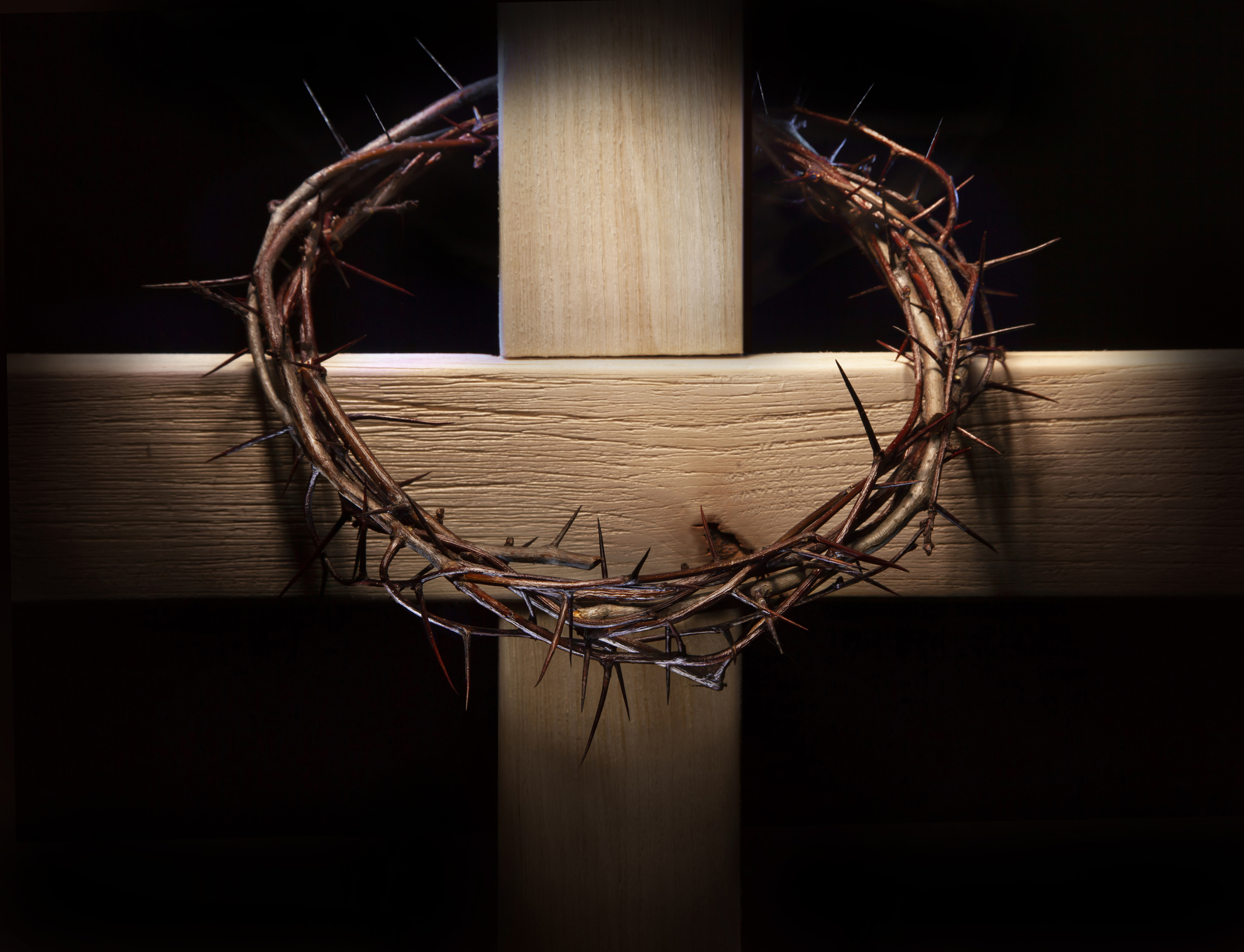


Q: As a born and bred and somewhat devout (liberal) Presbyterian, I want to respond to your question, "What do you give up for Lent?" Of course, as Protestants we were never taught to or expected to "give up" something. It has only been recently in my faith walk that we have been studying different ways to approach Lent.
We recently did a study called A Different Kind of Fast: Feeding our True Hungers in Lent. We studied seven different kinds of fasts, such as fasting from control, from our attachments, from our rushing and multitasking, and more. We also included going on a news fast, given the awful state of our world right now. We learned about lectio divina (breath prayer), and visio divina meditation. We were led to ask, "What is my true hunger?" I believe the answer comes from the Old Testament: "Why spend your money for what is not bread, your wages for what fails to satisfy. Heed me and you shall delight in rich fare, come to me heedfully that you may have life." Isaiah 55:2-3.
I have read and enjoyed your columns for many years, even going back to your days with your BFF Tommy, the priest. I'm sure you miss your days of theological sparring ... rest assured that you will meet again. – (From M in Camp Hill, PA).
A: Thanks, dear M, for your kind words and your wise and modern ways to sacrifice something of your true hungers for Lent. I especially love the term “faith walk” you used to describe your spiritual journey. The Hebrew word for law (halacha) means “the way you walk.” I also loved the Isaiah quote. He is my favorite prophet. I think Isaiah has nudged you back onto the right path in your faith walk. All the great wisdom traditions teach us that a life of virtue depends upon what you choose as well as what you eschew.
In Buddhism one of the goals of the enlightened life is tanchakaya which means “the release of attachments to base or spiritually corrosive practices.” You are absolutely right to try to train your soul to know what is nurturing and what is destructive.
In Judaism the rabbis taught that inside each of us are two instincts: the good instinct (yetzer tov) and the evil instinct (yetzer ha-rah). My favorite story about choosing virtue over sin comes from a parable of the Cherokee native peoples:
“A Cherokee chief took his grandchildren into the forest and sat them down. He said to them “Inside me there is a battle going on between two wolves one is the wolf of anger and fear, and the other wolf is the wolf of love and joy. One of the children asked their grandfather the chief, “Which wolf will win?” He answered, “The wolf that wins is the one you feed".
Lent, Ramadan and Yom Kippur are just different ways to feed the right wolf.
Q: I continue to struggle with Why Bad Things Happen to Good People. How do I continue my faith, despite the continuous frustrations? – (From E)
A: Finally, someone has asked me the biggest question! I invite my dear readers to write in and share with me your answer to the question of Providence.
I believe that the reason good people suffer is that God has not taught us that only good things will happen to good people. If this were true, then we would quickly learn to do the good not because it is good but because it is a way to get a reward. Goodness is and ought to be its own reward. The rabbi ben Azzai taught, “The reward of a good deed (a mitzvah) is the mitzvah.”
The problem of doing good for its own sake is that we are taught that prosperity here on earth and paradise in Heaven are ours if we do good. There are indeed parts of the Bible that seem to teach this instrumental view of virtue, but a deeper reading of these texts yields a deeper truth and that is the fact that the quality of our lives will indeed be better if we follow God’s teaching – its quality not its material wealth. God does not promise us an untroubled life. God promises us an accompanied life in which God is with us through every storm.
If this seems too simplistic then I would suggest that you add this mystery to the pile of things we just cannot understand in this life. Read Isaiah 55:8-9:
“For my thoughts are not your thoughts, neither are your ways my ways, saith the Lord. For as the heavens are higher than the earth, so are my ways higher than your ways, and my thoughts than your thoughts.”
I for one am willing to trust in a God whose ways I cannot always know but whose love I cannot ever doubt.
(Send ALL QUESTIONS AND COMMENTS to The God Squad via email at godsquadquestion@aol.com. Rabbi Gellman is the author of several books, including “Religion for Dummies,” co-written with Fr. Tom Hartman. Also, the new God Squad podcast is now available.)
©2026 The God Squad. Distributed by Tribune Content Agency, LLC.
(c) 2026 THE GOD SQUAD DISTRIBUTED BY TRIBUNE MEDIA SERVICES, INC.






Comments