Ask the Pediatrician: How to protect children and teens with chronic health conditions
Published in Health & Fitness
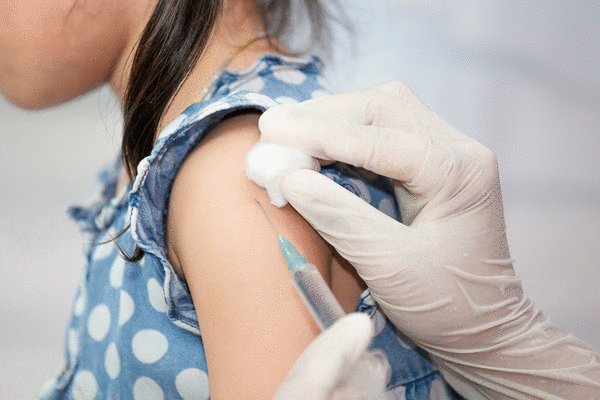
Influenza (flu) is an infection caused by the influenza virus that infects the respiratory tract including the nose, throat and lungs. The flu can cause mild to severe illness, pneumonia and other complications. During community outbreaks of influenza, children are more likely to get infected than other age groups, particularly school-aged children.
Kids under age 5, but especially those younger than 2 years old, and children and teens with chronic health conditions are at highest risk for serious flu complications. These flu complications can result in hospital stays or worse. The best way to protect your child is to make sure they get a flu vaccine every year.
Some children are at greater risk for flu-related complications including those with asthma, heart disease, obesity, chronic lung disease, weakened immune systems, and neurological and neurodevelopmental conditions like epilepsy. Endocrine diseases like diabetes as well as chronic conditions affecting the kidneys and liver can also put children at higher risk.
Symptoms of the flu can include fever, cough, sore throat, runny or stuffy nose, body aches, headache, chills, fatigue, and sometimes vomiting and diarrhea. Some people sick with flu may not have a fever so that shouldn’t be the only symptom used to determine if flu is the culprit.
Most people who get the flu recover in a few days to less than 2 weeks. But for some, the flu can cause serious health problems and can even be life-threatening. Pneumonia, sinus and ear infections, and even bloodstream infections are examples of complications from the flu. The flu can also make chronic health conditions worse. For example, people with asthma may experience asthma attacks while they have the flu.
In rare cases, the flu can affect the brain. Neurologic complications can range from febrile seizures to severe encephalopathy (dysfunction of the brain) and encephalitis (inflammation of the brain). The flu can also cause inflammation of the heart, which is called myocarditis. These conditions may cause long term effects or in some cases, result in death.
The American Academy of Pediatrics recommends that all children 6 months and older, especially those with chronic health conditions, get a seasonal flu vaccine.
To protect your child from the flu, if they are 6 months or older, the most important and effective step is for them to get a flu vaccine every year. This should include both healthy children and those with chronic health problems. Because children with chronic health conditions are at a higher risk of getting flu related complications, it is especially important that they get a flu shot. Infants younger than 6 months are at high risk of serious flu illness but are too young to get vaccinated. People who care for them should be vaccinated instead in order to protect them. If you are pregnant and get the flu vaccine, the antibodies your body makes protect both you and your baby.
Your child might have a variety of mild and temporary reactions to the vaccine. They may feel pain and tenderness at the site of the injection. Your kid might also experience fever within 24 hours after vaccination, as well as nausea, fatigue, headache or muscle aches and chills. If your child has asthma, they might experience wheezing. If your child receives the nasal flu vaccine, reactions could include nasal congestion and sore throat.
If your child is between the ages of 6 months and 8 years old and receiving the flu vaccine for the first time, they will need 2 doses spaced one month apart from each other. Children 9 years of age and older need only one dose. Talk with your doctor to discuss how many doses are recommended for your child. The flu vaccine can be administered at the same time with other immunizations.
To prevent a flu infection, make sure your child does not get close contact with people who are sick. Encourage them to avoid touching their eyes, nose and mouth and to use a tissue or elbow to cough or sneeze into. Remind your child to wash their hands often (or help them do it) with soap and running water for at least 20 seconds. If you don't have soap and water, use an alcohol-based hand sanitizer. Keep surfaces in the house and toys clean by wiping them down with a household disinfectant according to the directions on the product label.
If your child has a chronic health condition, make sure that they are up-to-date with their primary care provider and specialists. Finally, have a flu management plan in case your child becomes sick.
Call or take your child to the doctor if they develop flu-like symptoms. The doctor may want to begin antiviral drugs as quickly as possible, depending on your child’s age and underlying health conditions. Since the flu is caused by a virus, antibiotics will not work.
Fever is a sign that your child's body is fighting the infection, and fever-reducing medicines are not always necessary. However, ask your doctor which fever-reducing medicine could help based on your child's age. Keep in mind that children younger than 4 years of age should not be given over-the-counter cough/cold medicines without approval from a health care provider and aspirin should not be given to children or teenagers who have the flu; it can cause a rare but serious illness called Reye's syndrome.
Excluding doctor visits, keep your child at home until they no longer have a fever for at least 24 hours and are feeling more like themselves. A fever is defined as 100.4 degrees F (38.3 degrees C) or greater. The fever should be gone without the use of a fever-reducing medicine (like acetaminophen or ibuprofen). Keep your sick child in a separate room in the house to limit contact with other members of the household who are not sick and designate a main care giver for them.
To help them get through their illness, make sure your child gets plenty of rest and drinks fluids to keep them from becoming dehydrated. Ensure that your child covers coughs and sneezes to prevent the spread of germs.
____
Kris Bryant, MD, FAAP is a pediatric infectious diseases physician and healthcare epidemiologist at Norton Children’s in Louisville, Kentucky, a professor at the University of Louisville, and the associate medical director at Louisville Metro Department of Public Health and Wellness. She is a member of the American Academy of Pediatrics Committee on Infectious Diseases.
©2026 Tribune Content Agency, LLC.









Comments