Ask the Pediatrician: Managing food allergies at school
Published in Health & Fitness

About 1 in every 10 children and teens in the U.S. has a food allergy, an abnormal immune response to a specific food. That's roughly two kids per classroom.
Food allergies have risen by 50% since the 1990s. With this in mind, the American Academy of Pediatrics advocates for the health of all children who must avoid certain foods to stay healthy.
AAP believes that a team approach among parents, pediatricians and schools is the best way to ensure that kids with food allergies can stay safe at school. State and federal laws can make this partnership even more effective. For example, many states have authorized schools to keep open stocks of epinephrine on hand so they can treat any child showing signs of an allergy flare-up, whether or not a prescription has been issued.
The immune system normally protects the body by fighting off germs like bacteria and viruses, but when someone has a food allergy, their immune system treats a certain food like it's a harmful germ.
While 90% of food allergies involve exposure to the top nine allergens (peanuts, tree nuts, dairy/milk, eggs, sesame, wheat, soy, fish and shellfish), people can be allergic to many other foods. Even small amounts of a food allergen can cause a reaction that can be very serious.
Avoiding allergic reactions means being prepared for allergic emergencies — wherever and whenever they might happen, including at school. Since kids spend roughly 1,000 hours at school each year, it's essential to ensure they are safe, supported and ready to learn.
Getting a food allergy diagnosis is an important first step. Your health care team will ask detailed questions about the reaction including signs and symptoms your child experienced, as well as the timing of the reaction.
Your doctor can use specific testing to help confirm a food allergy. They may also recommend that your child be evaluated by a board-certified allergist. Allergists can perform skin testing and an oral food challenge, if needed, to confirm a food allergy diagnosis. This can also help keep a child from having an overly restricted diet, while avoiding the foods that truly cause a reaction.
If your child is diagnosed with a food allergy, it's important to have a clear plan to help them stay safe — especially at school. This includes knowing which foods to avoid and being prepared in case of an emergency. They'll need an allergy and anaphylaxis emergency plan.
Kids eat meals, snacks and treats during the school day, so having a system to prevent accidental exposures to food allergens is important. School staff should be trained on cross contact protocols and ensure all eating utensils are properly stored and washed to prevent contact with potential allergens that could trigger a reaction when used by a child with an allergy. Staff should also discourage children from sharing snacks and encourage them to eat only the food intended for them.
Although eating an allergen is the most common and important trigger of severe allergic reactions, there are also other ways to come in contact with a food allergen. Some classroom materials may contain hidden food allergens such as play dough with wheat or finger paints that contain milk proteins. These products don't always list their ingredients. So it's a good idea to ask your child's teacher or school staff about the materials they use. Let them know about your child's allergies so they can help keep your child safe.
Rarely, food allergens can get into the air. For example, steam from cooking or powders used in class can be breathed in and cause a reaction. A child's skin usually does a good job keeping allergens out of the body. But if they touch a food allergen with their finger and then put it in their mouth, they can have a reaction.
Schools and students can follow simple steps to avoid these types of reactions, such as hand washing, and surface and dishware/utensil cleaning. As students get older, they can gradually take on more responsibility. You can also coach your child to ask for help when they feel allergy symptoms starting
If they are exposed to an allergen, the child can have a reaction called anaphylaxis, which can progress quickly and can be life-threatening. Serious allergic reactions like anaphylaxis are reported in about 1 out of every 15 schools in the United States each year.
It's important to recognize the signs of anaphylaxis right away. Using epinephrine early — before the reaction gets worse — can keep a reaction from becoming life-threatening. That's why having an allergy and anaphylaxis emergency care plan is so helpful. Ideally, your doctor will create one for your child right when they are diagnosed with a food allergy, at the beginning of the school year, and when the allergy list changes.
Some schools also use an Individualized Health Care Plan (IHCP) — a nursing document that outlines how your child's allergy will be managed throughout the school day.
Because food allergies can interfere with breathing and restrict diet, your child may qualify for special accommodations under Section 504 of the Rehabilitation Act of 1973. A 504 plan is a legally binding document that ensures your child can safely participate in their daily activities at school alongside their peers. It also provides legal protections if the school is unable to meet your child's needs.
To help your child stay safe, give their school an Allergy and Anaphylaxis Emergency Plan signed by your child's doctor, any school-specific forms required to give your child medicine, and epinephrine to treat potential reactions.
____
Sonja O'Leary, MD, FAAP, is an Associate Professor of Pediatrics at the University of Colorado School of Medicine. She is currently the Chair for Ambulatory Pediatrics and School and Community Programs and previously served as the Medical Director of Denver Health Pediatrics at Denver Public Schools. She recently served as the chair of the Council on School Health (COSH) for the American Academy of Pediatrics (AAP) and has continued working with COSH most recently as editor of the upcoming 8th edition of the School Health Manual. As a native Spanish-speaker and a Colombian, she knows that different heritages, cultures and experiences bring important perspective to medicine.
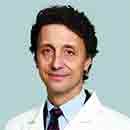
Michael Pistiner, MD, MMSc, FAAP, is a pediatric allergist and the Director of Food Allergy Advocacy, Education and Prevention at Mass General for Children, Harvard Medical School. Dr. Pistiner has served as Chair of the Food Allergy Management in Schools Advisory Council and member of the CDC/USDA Workgroup for School Guideline Development for Managing Food Allergy in School. Dr. Pistiner has been deeply engaged in school food allergy advocacy and education at the local, state and national level. He is a member of the American Academy of Pediatrics Section on Allergy and Immunology and Council on School Health.
©2026 Tribune Content Agency, LLC.







Comments