NYC Mayor Mamdani's plan to close Rikers Island by 2032 hinges on reducing jail population
Published in News & Features
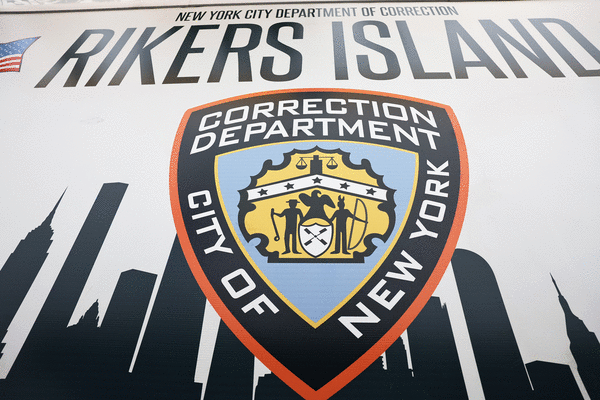
NEW YORK — Mayor Zohran Mamdani on Friday announced a new proposed deadline to close the notorious Rikers Island jail complex, a long-delayed plan he now says can be shuttered by 2032.
A key piece of Mamdani’s plan, which would replace the sprawling complex with a number of borough-based jails, is investing $290 million through over the next several years in efforts to reduce the jail population by 2,500, down from its current number of roughly 6,600, by the end of 2032.
A key obstacle to shutting Rikers has been the ballooning size of the jail population, which now far exceeds the planned capacity of the borough-based jails.
The funds Mamdani is proposing to spend to reduce that number, $30 million of which will be invested right away, will go to diversion and reduction programming aimed at cutting down on rearrests and safely releasing people after their detention, per City Hall’s plan.
“The call to close Rikers has echoed across our city for decades,” Mamdani said Friday at a news conference announcing the plan.
“Work has begun to do so, then stopped, and started once again. What will make this chapter different is our commitment to see it through, to chart a new path of public safety that endures, and to keep our promises where so many have been broken before.”
Current city law required that Rikers be closed by Aug. 31, 2027 — but that goal, set in 2019, became impossible to meet, officials said. The Council must again pass a law to extend the deadline, a move the body’s speaker, Julie Menin, said she’s committed to doing.
“There has been delay after delay after delay, and there was a real lack of urgency, let’s be honest,” Menin said Friday. “With today’s announcement, we are finally getting back on track.”
The borough jails are slated to open in 2029, starting with the Brooklyn jail and followed by facilities in the Bronx and Queens in 2031. Manhattan’s jail is set to open in 2032.
The Rikers facilities have long been riddled with violence and staffing shortages and has been criticized as inhumane. Nine people have died in city jail custody this year.
“Rikers is a moral blight in our city,” Public Advocate Jumaane Williams said. “And closing it is a moral and legal imperative.”
Officials said they hope newer facilities that are more conveniently located to their families, friends and court appearances can create better conditions for detainees and speed up trial delays.
The city’s efforts to reduce the population include building out or expanding pilot programs for alternatives to incarceration for people awaiting trial and reentry programs, as well as providing more social services and low-barriers housing and building support centers near courthouses to connect people accused of crimes with services.
One part of reducing the jail population is speeding up inmates’ court cases. Roughly 85% of the detainees there are being held there pretrial, meaning they have not been convicted of a crime.
To that end, administration plans to form a task force with the courts and district attorneys to look for solutions to case delays, as well as speed up discovery processes and work with the state to expand psychiatric bed capacity for those found unfit to stand trial.
The plan comes as the average length of stay in city jails jumped to 116 days in fiscal year 2026, which includes the first six months of the Mamdani administration — up from 87 days the previous year.
“Cycling the people in and out of jail will never address the root causes of what brought them there in the first place,” Darren Mack, co-founder of the Freedom Agenda, said. “But these investments will, and will move us to a future with less incarceration and more safety.”
The city will also look to transfer the buildings and land on the complex out of the city’s Department of Correction, and then launch a “vision planning process” to explore using the over 400-acre-site for sustainability initiatives.
“This plan is thoughtful; it makes a lot of sense to me, but it requires resources,” Brooklyn District Attorney Eric Gonzalez said.
“And the mayor and the administration have committed resources to prosecutors and to defenders to help this case processing happen in a meaningful way. We’ll have difficult work ahead. There’ll be many challenges, but we have an extraordinary opportunity here to build a safer, more humane, more effective criminal justice system, without ever compromising on public safety.”
The Mamdani administration previously transferred the North Infirmary Command from the DOC to the Department of Citywide Administrative Services, which will oversee planning for its future use.
In addition to the efforts to shutter the jail complex, the administration also announced they’ll be putting $50 million toward expanding education, art, music and therapy offerings for those currently detained.
“We welcome the city’s renewed commitment to closing Rikers Island,” the Legal Aid Society said in a statement. “After years of delays and inaction, New Yorkers deserve a credible plan with concrete benchmarks to reduce the jail population and permanently shutter this deplorable facility.”
Some community groups, particularly in Manhattan and Brooklyn, have pushed back against the borough-based jails, saying their construction will be disruptive.
“While we have been hopeful that his administration wouldn’t brush off our community’s concerns, the dignity of neighboring senior citizens, and the vitality of our small businesses, this plan has left us disappointed,” Vic Lee, co-founder and CEO of Welcome to Chinatown, said.
_____
©2026 New York Daily News. Visit at nydailynews.com. Distributed by Tribune Content Agency, LLC.






Comments