Michigan Gov. Gretchen Whitmer mulls federal education tax credit as Democrats urge rejection
Published in News & Features
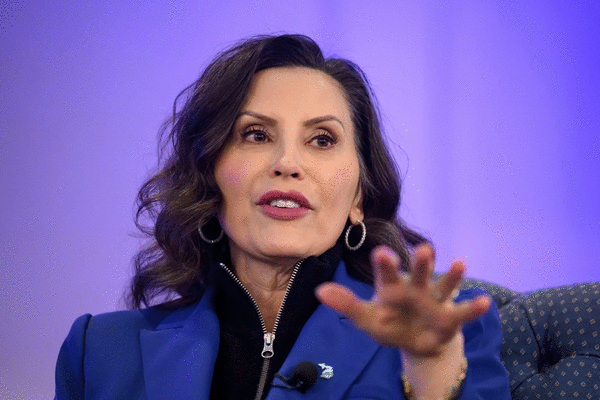
LANSING, Mich. — About one-third of Michigan's sitting state lawmakers signed onto a letter Nov. 18, urging Democratic Gov. Gretchen Whitmer to reject a federal tax credit program that could benefit both public and private schools.
The 49 Democratic lawmakers, in a letter led by outgoing state Rep. Regina Weiss of Oak Park, argued Whitmer's decision on the federal Education Freedom Tax Credit program could make or break her public education "legacy." A decision to opt out of the program, they said, could "preserve the progress we have made for generations to come."
"Despite being presented as an expansion of educational opportunities, the program raises serious questions about transparency, accountability, oversight, and its potential impact on public education," the letter said. "Michigan should remain focused on protecting and building upon our investments in public schools rather than introducing a new federal program that could undermine them."
The letter went on to note that voters in November rejected the Republican gubernatorial candidate, U.S. Rep. John James, "who had promised to opt Michigan into the scholarship program from day one." Democratic Gov.-elect Jocelyn Benson has said she opposes the tax credit program on grounds that it is "a program under Trump’s control with zero transparency or assurance it will deliver for Michigan students."
On Wednesday, Nov. 19, Whitmer told reporters in Lansing that her administration is "taking a look at it."
Whitmer has delayed a decision on the state opting into the program, instead joining other governors in requesting more information from U.S. Treasury Secretary Scott Bessent on how the program would work.
“We’re taking a look at it," Whitmer said. "We were waiting for the (Department of) Treasury guidance; now we’ve got it, we’re taking a look. I take it seriously. I want to make sure we have thought through everything.”
The Federal Education Freedom Tax Credit program allows residents to make tax-deductible donations to public or private schools and receive up to a $1,700 tax credit in return. The schools could use the funds on scholarships or other services such as tutoring.
Critics of the program, included in President Donald Trump's One Big Beautiful Bill Act and set to take effect in January, have argued it is a roundabout way to funnel public funds to private schools.
When asked Wednesday, Nov. 18, whether it amounted to a voucher program, Whitmer said she understood "some people have made that argument."
"There are a lot of Democratic states that have gone forward with it," Whitmer said at an event at the state Capitol. "I think we’re looking to the Attorney General for interpretation on the Michigan Constitution, etcetera. A lot of information yet to be gleaned.”
Earlier this month, the Detroit Regional Chamber and Grand Rapids Chamber both asked the outgoing Democratic governor to opt into the program before the Jan. 1 deadline.
“Michigan taxpayers can claim this federal tax credit whether Michigan opts in or not,” Detroit Regional Chamber CEO Sandy Baruah said in a Nov. 3 letter. “The question is whether those dollars support education in our state, or if Michigan parents and grandparents select to access this tax credit by supporting educational establishments elsewhere.”
The lawmakers who are opposing Michigan's participation in the program said there is a "very real opportunity" for Democrats to win the presidency in 2028 and retain control in Congress, which could lead to a repeal of the One Big Beautiful Bill Act under which the tax credit program was created.
"It makes little sense to undertake such a significant investment in new infrastructure and administrative systems for a federal program that could be repealed within two years," the lawmakers said in the Nov. 18 letter. "Michigan should not create unnecessary costs, uncertainty, or disruption for our public schools to accommodate a policy with such an uncertain future."
The letter, signed by 49 Democrats, included 10 sitting senators and 39 sitting representatives.
The Michigan Alliance for Student Opportunity applauded the lawmakers' letter in a statement Thursday, Nov. 19, arguing the state "should stay focused on fully and fairly funding the public schools that serve every child in every community."
“Opting in would mean new costs, new bureaucracy and new funding disparities for our schools," said Peter Spadafore, executive director for the alliance.
_____
©2026 The Detroit News. Visit detroitnews.com. Distributed by Tribune Content Agency, LLC.





Comments