Canadian hydropower line to Massachusetts expected to be running in January
Published in News & Features
The long-awaited hydropower line delivering electricity from Québec to New England is expected to be running this month after years of hurdles and delays, the company Hydro Québec stated.
“We have been actively testing the line and the transformers for the past several weeks and are making good progress,” a spokesperson for Hydro Québec said, adding the teams were actively working on both sides of the U.S.-Canada border and “expect to be ready begin energy deliveries in January.”
The New England Clean Energy Connect (NECEC) transmission line, initiated nearly in 2017 under the Baker administration and under construction since 2021, is set to deliver 1,200 megawatts of hydropower from Québec to New England over 20 years, becoming one of the largest sources of baseload power in the region.
Avangrid, the company behind the NECEC, announced in November it had secured the final permit to get the power line running after years of regulatory and legal hurdles. The company estimated the line would be running by the end of 2025 at the time.
The project to bring Canadian hydropower to the New England power grid, estimated to cost about $1 billion, is expected to provide Massachusetts with approximately 20% of it overall electricity.
The clean energy line will deliver about $3 billion in net benefits to Massachusetts residents paying for electricity, including “reducing in ratepayer bills by around $50 million each year,” state officials said.
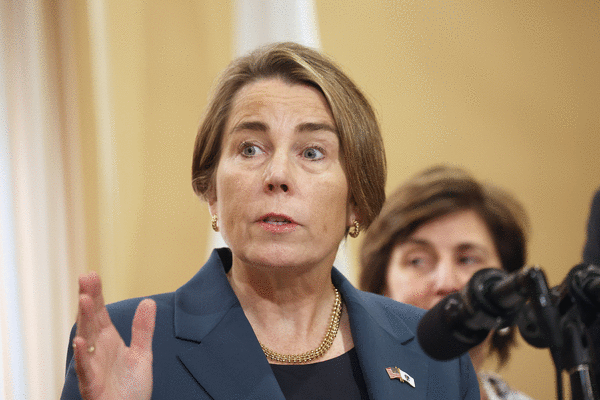
“This transmission line will deliver affordable, stable power from our partners in Canada to our residents and businesses,” Gov. Maura Healey said in November. “More energy means lower costs. The NECEC line is a key part of our all-of-the-above approach to lowering energy costs and delivering the power our economy needs.”
On average, officials estimated, residents can expect to save $18 to $20 a year over the contract term.
Avangrid said the project will cut carbon emissions by 3.6 million metric tons a year, “the equivalent of removing 700,000 cars from the road.” The hydropower source is expected to be “key to energy reliability in the winter” as demand grows, state officials said, and evening energy prices effected by the volatility of natural gas.
The line cleared a closing legal hurdle in January 2025 when the Massachusetts Department of Public Utilities agreed to a settlement with electric utility companies, the AG’s office, energy department and Central Maine Power approving project costs.
The clean energy project updates come weeks after the Trump administration dealt a blow to wind power projects across the U.S., including the Vineyard Wind farm off the coast of Nantucket delivering energy in New England.
_____
©2026 MediaNews Group, Inc. Visit at bostonherald.com. Distributed by Tribune Content Agency, LLC.






Comments